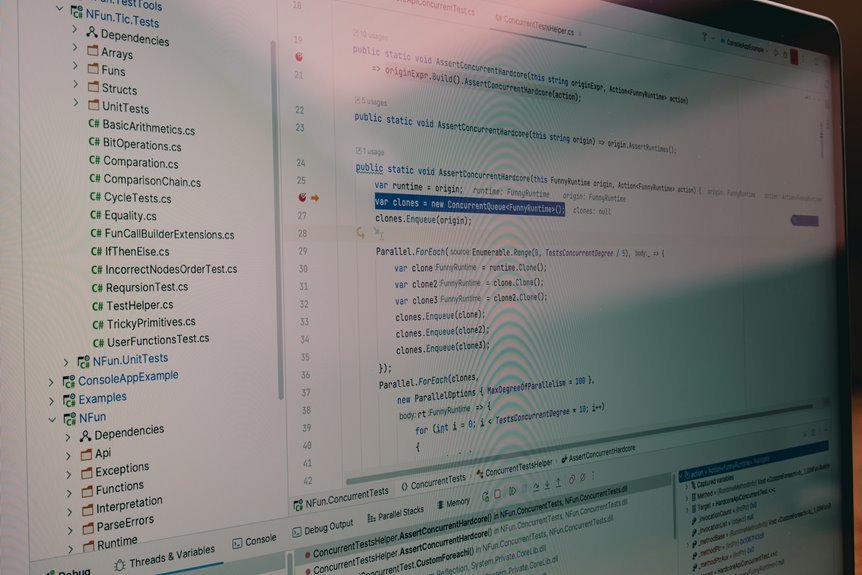
Smart Applications 8000212345 Techniques center on disciplined design, implementation, and evaluation of intelligent software with transparent governance. They harness real-time analytics to power adaptive workflows and deliver auditable results. The approach preserves team autonomy through repeatable processes while enforcing data lineage and oversight. This balance between innovation and accountability supports scalable, trustworthy deployment. The framework invites scrutiny of how governance and experimentation coexist, suggesting that the next step yields clearer decisions and measurable impact.
What Are Smart Applications 8000212345 Techniques?
Smart Applications 8000212345 techniques refer to a set of systematic methods and best practices used to design, implement, and evaluate intelligent software solutions.
The approach emphasizes insight governance and data lineage to ensure transparency and accountability.
It enables informed decision making, scalable architectures, and verifiable results, while maintaining autonomy and freedom for teams to innovate within structured, repeatable processes.
How Real-Time Analytics Power Adaptive Workflows
Real-time analytics enable adaptive workflows by transforming streaming data into immediate insights that guide dynamic decision-making. The approach treats data as a continuous input, enabling on-the-fly adjustments and resource reallocation. Systems prioritize responsiveness, reduce latency, and support autonomous policy changes.
Outcomes include improved operational resilience, faster incident response, and tighter alignment between actions and evolving objectives for adaptive workflows powered by real time analytics.
Building Trustworthy ML-Enabled Interfaces for Users
Designing interfaces for machine learning systems requires clear justification of when and why recommendations should be trusted. Trustworthy ML-enabled interfaces present transparent logic, constrain sensitive feature exposure, and support user agency. They integrate privacy by design and obtain user consent, ensuring explanations align with user goals. This approach balances performance with accountability, fostering informed engagement while preserving autonomy and robust privacy protections.
Practical Roadmap to Implement and Scale These Techniques
A practical roadmap translates the principles of trustworthy ML-enabled interfaces into actionable steps for development, deployment, and scaling.
It outlines governance structures, auditing routines, and risk controls to ensure reliability and accountability.
The plan foregrounds data provenance, traceability, and opt-in transparency, addressing ethical concerns.
Deployment strategies emphasize modular deployment, continuous monitoring, and iterative improvement for sustainable, freedom-oriented innovation.
Conclusion
In a landscape of rapid change, governance and creativity stand side by side. Juxtaposing auditable controls with agile experimentation reveals a bridge between trust and innovation. Structured data lineage against iterative prototyping shows how transparency can accelerate learning without stifling velocity. Governance weighs like a compass, while real-time analytics acts as the engine. Together, they form a scalable, resilient system where verifiable results empower decisions and sustain responsible, adaptive applications.